The Art of Rest by Claudia Hammond
Feb 17, 2026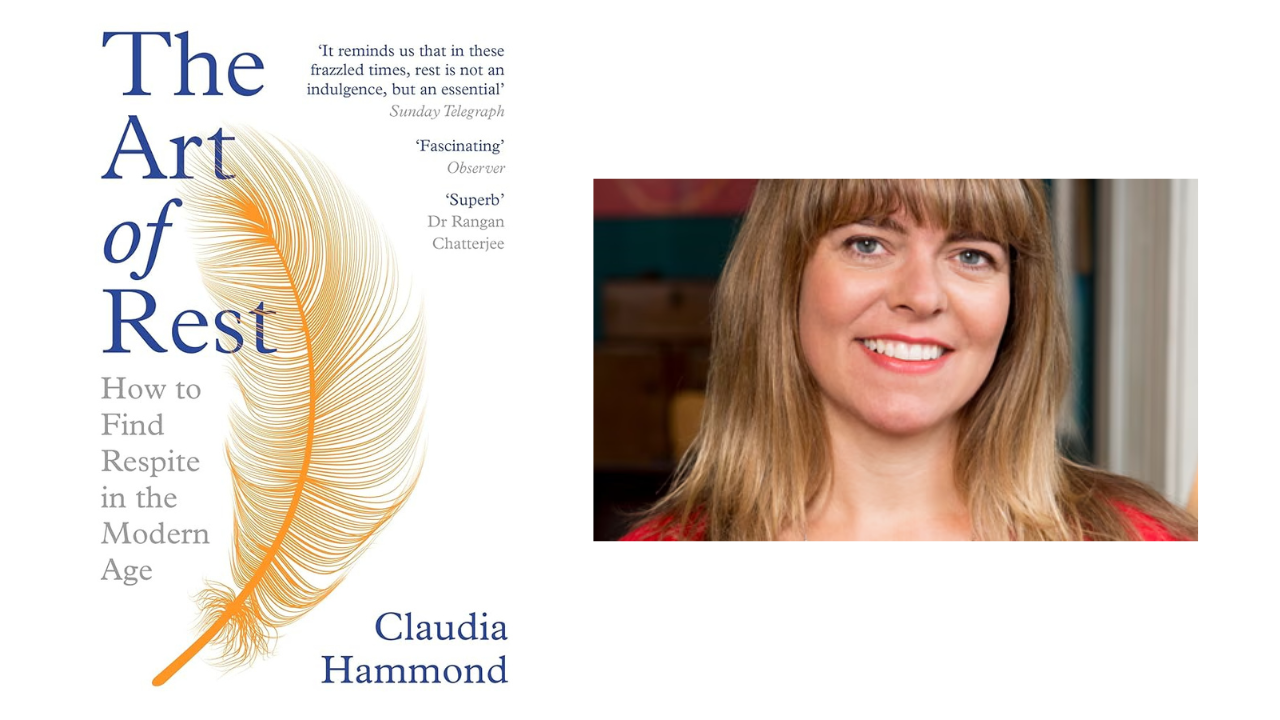
When was the last time you truly rested, not scrolled, not multitasked, not half-switched off, but properly rested?
In The Art of Rest, Claudia Hammond explores a deceptively simple question: what do people actually find most restful? Drawing on the Rest Test, one of the largest global surveys into rest, she challenges the idea that rest is laziness or indulgence. Instead, she shows that rest is a skill and, for many of us, a missing ingredient in modern life.
Below is a distilled essence of her book, woven together with current evidence from clinical and rehabilitation science.
The Core Idea: Rest Is Not One Thing
Hammond’s central insight is that rest is personal and varied. For some, it is reading quietly. For others, it is time alone. For many, it is being in nature.
Her top ten most restful activities included:
-
Reading
-
Spending time in natural environments
-
Being on one’s own
-
Listening to music
-
Doing nothing in particular
What unites them is not inactivity, but restoration. Rest is less about stopping everything and more about replenishing energy.
Modern clinical definitions align with this. Rest is often described as a reduction or cessation of demanding activity, engagement in low-energy tasks, and psychological detachment from responsibilities. It supports energy restoration, symptom control and improved functioning in people with and without long-term conditions.
Rest, in other words, is strategic.
Rest and Sleep – Related but Not Identical
Hammond carefully separates rest from sleep. You can sleep and still feel unrested. You can also rest while awake.
Evidence supports this distinction. Rest is a foundation for restorative sleep, which is associated with renewed physical energy, mental clarity and improved health. Yet brief waking rest can also have measurable benefits.
Recent neuroimaging research suggests that even 30 minutes of eyes-closed rest can improve haemodynamics and cerebrospinal fluid oscillations, processes linked to neurofluid clearance in the brain. This may help explain why a short quiet pause can restore clarity after mental strain.
For athletes, the science is particularly clear. The American College of Sports Medicine recommends at least one passive rest day per week to prevent overtraining. Persistent sleep loss impairs cognition and well-being. Without structured recovery, performance falls.
The body does not negotiate with exhaustion.
Attention, Mental Fatigue and the Brain
One of the most compelling themes in Hammond’s book is cognitive overload. Many participants in the Rest Test said they felt guilty resting, yet also chronically tired.
Research in cognitive neuroscience shows that rest breaks improve attention and behavioural performance. Studies using dynamic brain network analysis demonstrate that short rest periods help the brain reset connectivity patterns associated with mental fatigue.
This aligns beautifully with Hammond’s anecdotal findings. People describe reading, music or quiet time as restorative because these activities allow attention to soften. The brain is not idle. It is recalibrating.
In an NHS context, this matters. Many professionals, patients and carers operate in sustained cognitive demand. Without structured recovery, decision-making degrades, empathy thins and errors increase. Rest is not a luxury for high-responsibility roles. It is protective.
The Paradox – Too Much Rest Can Harm
Hammond is careful not to romanticise endless inactivity. Nor does the evidence.
Prolonged bed rest, particularly in acute care, is associated with muscle loss, deconditioning and increased disability. Excessive rest in some chronic conditions may reinforce symptom focus and reduce participation.
The key distinction is between restorative rest and avoidant withdrawal.
Good rest restores function. Excessive passivity erodes it.
This nuance is especially important in rehabilitation and chronic illness. Tailored guidance is essential. Rest must be purposeful and balanced with graded activity.
What The Art of Rest Teaches Us Practically
-
Rest needs permission
Many people feel guilty resting. Hammond argues we need cultural permission to see rest as legitimate. -
Solitude is restorative for many
Time alone ranked highly. In a connected world, deliberate disconnection matters. -
Nature is powerful
Spending time in green spaces featured prominently. Attention restoration theory supports this. Natural environments gently engage the brain without demanding it. -
Reading remains deeply restorative
Reading consistently topped the list. It absorbs attention in a focused but low-stakes way. It offers immersion without pressure. -
Rest is individual
Not everyone finds the same activity restorative. One person’s rest is another’s boredom.
Bringing the Evidence and the Philosophy Together
What Hammond offers is a cultural and psychological lens. What clinical research offers is physiological grounding.
Together, they suggest:
-
Rest supports energy management and symptom control
-
Structured rest prevents overtraining and cognitive decline
-
Brief quiet pauses can enhance brain recovery
-
Tailored rest strategies improve functioning
-
Too much immobility carries risks
Rest is not collapse. It is calibration.
A Midlife Reflection
In midlife, responsibilities often peak. Careers, ageing parents, teenagers, health shifts. Many people describe feeling permanently switched on.
From both a system leadership and personal health perspective, I see rest as preventive infrastructure. Just as healthcare systems require surge capacity and maintenance windows, so do we.
The question is not whether we can afford to rest.
It is whether we can afford not to.
Got an idea, project, or opportunity you'd like to explore together? Whether it's collaboration, consultancy, or tailored training, I’d love to hear from you.
Stay connected with news, offers and updates!
Join my mailing list to be the first to receive the latest news, updates and offers.
Don't worry, your information will not be shared.
We hate SPAM. We will never sell your information, for any reason.